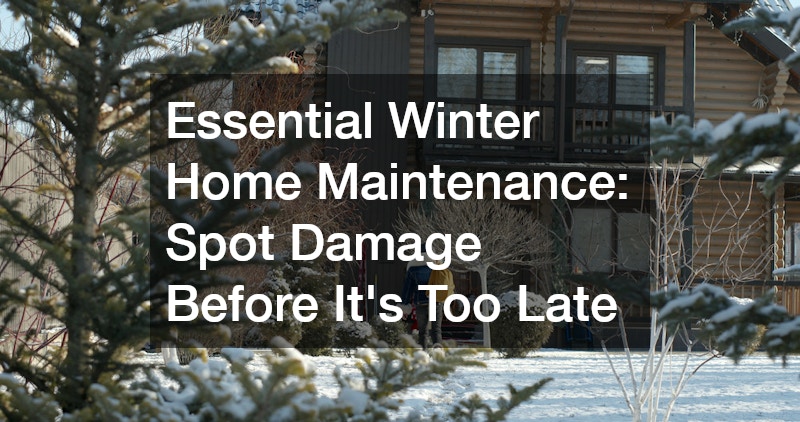
Winter is one of the most challenging seasons for homeowners, placing constant stress on a home’s structure, systems, and safety features. Freezing temperatures, heavy snow, ice accumulation, strong winds, and repeated freeze-thaw cycles can cause damage that often goes unnoticed until it becomes a serious and costly problem. More importantly, winter-related damage can create significant safety hazards for homeowners and their families, including roof collapses, electrical issues, water damage, slipping hazards, frozen pipes, and compromised structural components. For this reason, winter home maintenance is not just about protecting property value; it’s about protecting the people who live inside the home.
Many winter maintenance issues begin as small, seemingly harmless problems. A minor roof leak, a clogged gutter, a drafty window, or a small foundation crack may not appear urgent at first. However, when exposed to harsh winter conditions, these issues can worsen rapidly and lead to extensive damage, expensive repairs, and safety risks. Ice dams can force water into living spaces, frozen pipes can burst and flood interiors, and hidden moisture can create conditions that encourage mold growth and indoor air quality concerns.
The most effective way to avoid these problems is through proactive inspection and preventative care. Understanding the warning signs of winter home damage allows homeowners to identify potential issues before they escalate into emergencies. Regular maintenance, timely repairs, and seasonal inspections can help preserve structural integrity, improve energy efficiency, and maintain a safe, comfortable living environment throughout the colder months.
In this guide, we’ll explore the most common forms of winter-related damage, highlight critical safety concerns, and provide practical strategies for identifying and addressing problems early. By taking a proactive approach to winter home maintenance, you can reduce repair costs, protect your investment, and help ensure your home remains safe, warm, and secure all season long.
Identifying Roof Damage Early
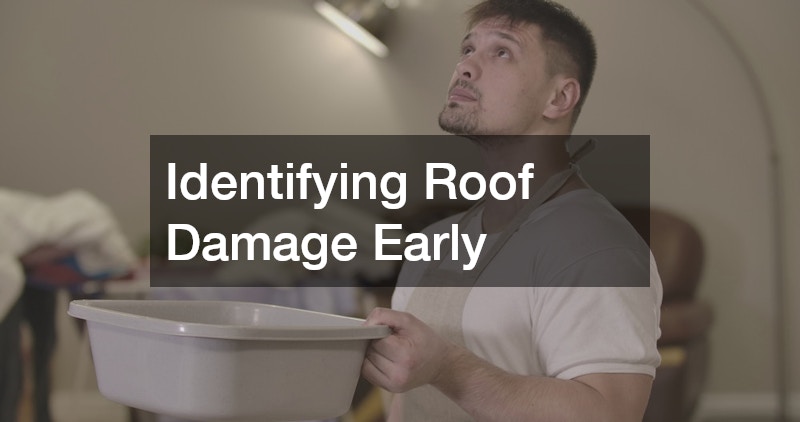
The roof is your home’s first line of defense against winter weather, but it often suffers the most. Heavy snow accumulation, ice dams, and freezing rain can compromise shingles, flashings, and gutters. Even minor damage can lead to leaks, water intrusion, and interior damage if left untreated. Signs to watch for include missing or curling shingles, unusual granule loss in gutters, and small leaks inside the home during or after a storm.
One of the best ways to manage roof problems is by consulting a reliable roofing company. They can inspect shingles, flashing, and roof decking for hidden weaknesses. Many homeowners wait until leaks appear inside the home, but early inspection can prevent costly water damage. Winter roof issues often develop slowly, so scheduling a thorough check in early spring or after severe storms can save thousands in repairs. Additionally, professional roofing companies can recommend temporary fixes using waterproof material while permanent repairs are scheduled, helping maintain home safety until conditions improve.
Protecting Fences From Winter Wear
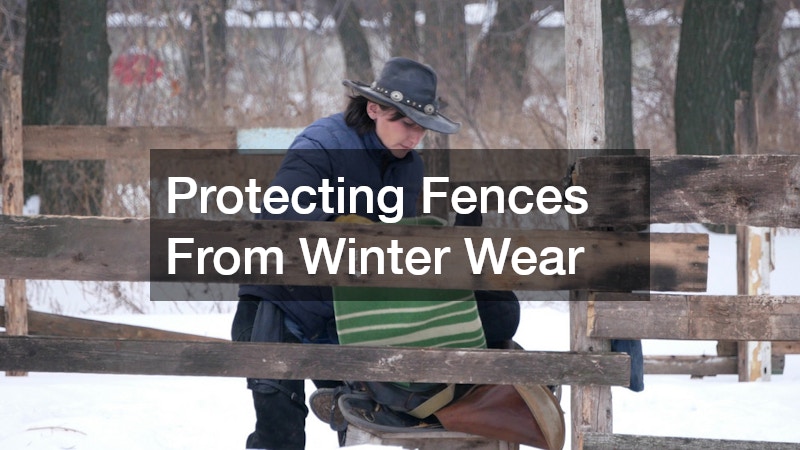
Fences endure harsh winter conditions that can cause warping, rotting, or structural instability. Snow, ice, and strong winds may damage posts, panels, or gates, especially in older or untreated wood fences. Regular inspection is essential, particularly after storms or prolonged icy periods. Look for leaning posts, cracked boards, or rusting hardware that may indicate structural stress.
Hiring reputable fence companies ensures your fence remains sturdy and safe. These professionals can assess post alignment, repair broken panels, and replace damaged sections before the problem spreads. Timely maintenance also prevents damage from worsening during freeze-thaw cycles, which can cause posts to shift and boards to crack. Fences provide both security and curb appeal, so addressing winter damage promptly not only maintains safety but also preserves your home’s overall aesthetic. With proper upkeep, your fence can survive harsh winters and continue protecting your property effectively.
Finding Electrical Issues Caused by Cold Weather
Winter storms often affect electrical systems in subtle ways. Ice accumulation on power lines, moisture infiltration in outdoor outlets, and fluctuating temperatures can all increase the risk of shorts, outages, or damaged wiring. Unnoticed problems may lead to frequent tripping breakers or flickering lights, which can signal underlying issues that grow worse over time.
To prevent serious hazards, contact a qualified electrician services provider for inspection and repairs. Licensed electricians can test circuits, inspect panels, and identify vulnerabilities caused by winter exposure. Even small issues like corroded connections or moisture intrusion can be fixed before they become dangerous. Regular maintenance reduces the risk of emergency outages, ensures compliance with safety standards, and extends the life of your home’s electrical system. Proactive attention to winter-related electrical damage keeps your family safe and avoids expensive emergency repairs down the line.
Assessing Driveway and Pavement Damage
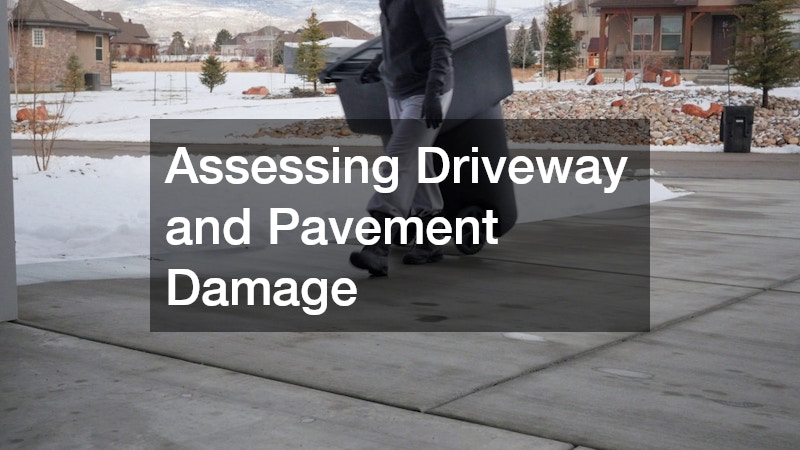
Cold temperatures and snow removal can wreak havoc on asphalt and concrete surfaces. Freeze-thaw cycles cause cracks, potholes, and uneven surfaces, which may worsen as water seeps in and freezes repeatedly. Ignoring these early signs can lead to costly resurfacing or full driveway replacement. Small cracks may appear minor, but left unattended, they expand and compromise the integrity of the pavement.
A skilled asphalt contractor can inspect damaged surfaces and provide preventive solutions. They can seal cracks, repair potholes, and apply protective coatings to extend the life of your driveway or walkway. Early intervention prevents further deterioration and reduces long-term costs. Homeowners should also consider regular maintenance, like snow removal techniques that minimize scraping or chemical exposure. By addressing driveway and pavement damage early, you protect both safety and curb appeal while avoiding major repair expenses in the spring.
Checking for Garage Door Damage from Winter Stress
Garage doors face extreme pressure during the winter months. Heavy snow, ice buildup, and freezing temperatures can strain springs, rollers, and tracks, leading to misalignment or malfunction. A stuck or improperly closing garage door may compromise home security and cause energy loss. Homeowners may notice unusual noises, slower operation, or small dents and warping that signal underlying problems.
Professional garage door services can inspect tracks, springs, and panels for winter-related damage. Regular maintenance, lubrication, and prompt door repairs can prevent total failure during cold snaps. Addressing minor issues early keeps your garage functioning efficiently, ensures security, and reduces costly emergency replacements. Many homeowners underestimate the winter impact on garage doors, but proactive attention can extend the life of the system and avoid major disruptions during critical months.
Determining Plumbing Challenges in Winter
Frozen or burst pipes are one of the most common and serious concerns for homeowners during winter. When temperatures drop below freezing, water inside pipes can solidify, expanding and putting tremendous pressure on the pipe walls. This can cause cracks, splits, or even complete bursts, leading to water leaks that may go unnoticed until significant damage occurs. Ice buildup around exterior faucets or poorly insulated areas increases the risk, while shifting soil from frost heaving or heavy snow accumulation can also stress underground water lines.
Early detection is crucial, as subtle signs like small drips, reduced water pressure, or unusually slow drains often indicate that a pipe is compromised before it bursts. Ignoring these warning signs can result in flooding, water damage to floors and walls, mold growth, and costly repairs that could have been avoided.
When a plumbing emergency does occur, 24 hour emergency plumbers are available to respond immediately, helping to minimize water damage and restore essential services quickly. However, prevention is always the best approach. Homeowners can take steps such as insulating exposed pipes, sealing gaps where cold air enters, and monitoring water pressure to reduce stress on plumbing systems. Winter plumbing issues rarely affect just one fixture—they can impact connected systems throughout kitchens, bathrooms, and laundry areas.
Professional plumbers can also assess the overall system and recommend long-term solutions, like rerouting vulnerable pipes or installing additional insulation, ensuring your home remains safe, functional, and protected throughout even the harshest winter months. Taking these preventive measures not only safeguards your property but also offers peace of mind during unpredictable winter weather.
Checking for Wall Cracks and Structural Concerns
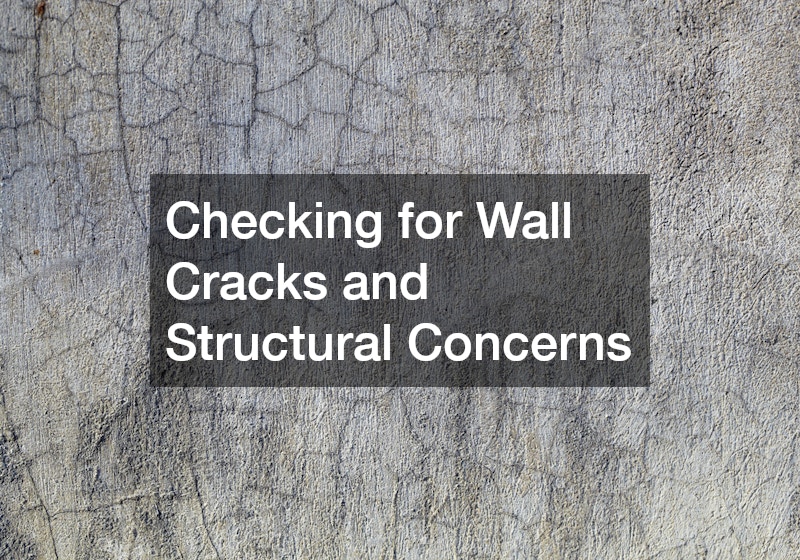
Winter can exacerbate existing weaknesses in walls and foundations. Cold temperatures cause materials to contract, and moisture infiltration can worsen minor cracks. Small fissures may appear around windows, doors, or in basement walls. Ignoring these warning signs can result in larger structural problems, water damage, and higher repair costs.
Hiring professionals for wall crack repairs ensures the problem is handled correctly. Experts can identify the root cause, reinforce the affected areas, and prevent future cracking. Sometimes minor cracks are cosmetic, but they can also indicate more serious settling or foundation issues. Addressing them early preserves structural integrity and helps maintain energy efficiency by preventing drafts. Combining crack repairs with preventive measures like applying waterproof material adds an extra layer of protection against moisture damage during future winters.
Identifying Sewer Line Risks
Winter conditions affect underground pipes as well, and sewer lines are particularly vulnerable. Frozen soil, heavy snow, ice buildup, and sudden thaws can put significant stress on these pipes, causing blockages, cracks, or even collapses. Homeowners may notice early warning signs such as slow drainage, unusual gurgling sounds, foul odors, or unexpected settling in the lawn above the lines. Left unchecked, these issues can escalate quickly, leading to extensive property damage, contaminated water, and expensive repairs that could have been prevented with early intervention.
Working with a trusted sewer repair company ensures timely detection and repair of winter-related sewer issues. Professionals can employ advanced tools like video camera inspections and pipe locators to identify hidden damage before it becomes a full-blown emergency. Regular maintenance and monitoring of sewer lines not only reduce the risk of backups but also help preserve hygiene and prevent structural damage to your home.
Many homeowners overlook underground systems because problems are not immediately visible, but winter stress can turn minor issues into major emergencies very quickly. By addressing potential sewer line problems proactively, you can avoid costly repairs, minimize disruption, and maintain the long-term safety and functionality of your home throughout the cold season.
Waterproofing and Preventive Measures
Preventing water intrusion is one of the most effective ways to protect a home during the winter months. Snow, ice, and heavy rainfall can seep into vulnerable areas such as roofs, walls, basements, and even crawl spaces, causing problems that range from minor cosmetic damage to severe structural deterioration. Moisture that penetrates building materials can lead to rot, mold growth, and weakened foundations, all of which are costly and time-consuming to repair.
One of the most effective preventive measures is the application of waterproof material to key areas of the home, including roof joints, foundations, window sills, and exterior walls. These treatments create a protective barrier that keeps water out, even during prolonged periods of snow and rain.
In addition to professional waterproofing, regular inspections play a critical role in maintaining home integrity. Checking for cracks in walls, gaps around doors and windows, and clogged gutters ensures that small issues are addressed before they turn into major problems. Simple preventive steps—such as clearing gutters, ensuring proper drainage away from the foundation, and sealing visible gaps—can dramatically reduce the risk of interior water damage.
Homeowners who take proactive measures before the first heavy snow often avoid emergency repairs, save on costly remediation, and preserve the structural integrity of their property. Investing in waterproofing and consistent maintenance is a long-term strategy that not only protects your home from winter storms but also maintains comfort, safety, and overall property value year after year.
Recognizing Hidden Winter Damage
Not all winter damage is immediately visible. Problems such as hidden leaks, weakened structural supports, or minor electrical faults can remain undetected until they escalate. Regular inspections, early repairs, and professional guidance are essential for spotting these hidden issues before they cause serious damage.
Homeowners should make a checklist that covers the roof, exterior walls, foundation, fences, driveways, garage doors, plumbing, and electrical systems. Partnering with qualified professionals across different specialties ensures comprehensive protection. Early detection allows repairs to be completed efficiently, reduces stress, and saves money. By staying proactive, you prevent small winter-related issues from escalating into expensive, time-consuming projects.
Conclusion
Cold weather can place significant strain on every part of a home, from structural components and utility systems to exterior surfaces and protective features. Small issues that develop during harsh weather conditions can quickly escalate into major repairs if they are not identified and addressed early. By staying attentive to warning signs and conducting regular inspections, homeowners can reduce the risk of unexpected damage and maintain a safer living environment throughout the season.
A proactive approach to property care helps preserve both comfort and long-term value. Timely repairs, routine upkeep, and professional assessments can prevent minor concerns from becoming expensive emergencies while extending the lifespan of critical home systems. Paying close attention to areas such as roofing, plumbing, electrical systems, foundations, drainage, and exterior structures can help ensure that your property remains secure and resilient during periods of extreme weather.
Ultimately, protecting your home requires ongoing awareness and preventive action. Homeowners who prioritize regular maintenance and address concerns as soon as they arise are better positioned to avoid costly disruptions, improve energy efficiency, and safeguard their investment for years to come. Taking action today can help ensure your home remains strong, comfortable, and protected no matter what the season brings.