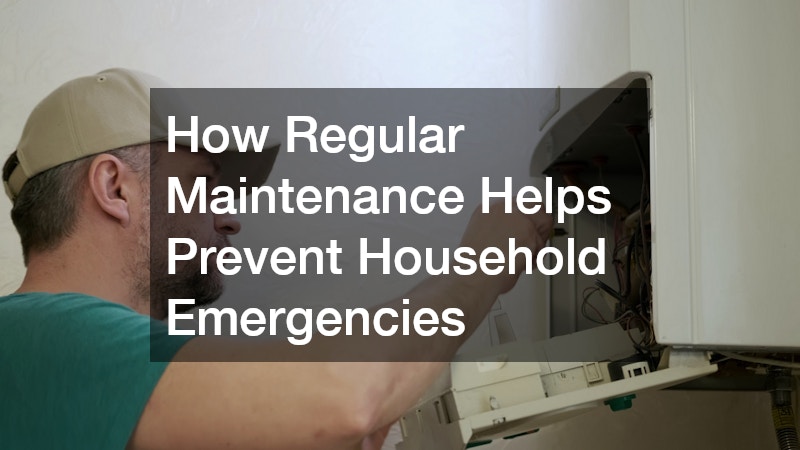
A home rarely falls apart all at once. More often, problems start quietly: a slow drip beneath a sink, a door lock that sticks on humid mornings, a faint stain on the ceiling after heavy rain, or a strange noise from equipment that used to run smoothly. These small warning signs are easy to ignore when life is busy, but they are often the first clues that a larger emergency is developing.
A practical maintenance plan also reduces stress. When you know what to inspect, when to schedule help, and which warning signs matter most, you can respond calmly instead of scrambling during a crisis. The goal is not to prevent every possible problem. It is to make emergencies less likely, less severe, and less costly when they do happen.
Creating a Seasonal Inspection Schedule Before Problems Start
A good maintenance routine begins with timing. Many household emergencies happen because a system is pushed hard during extreme weather after months of neglect. Air conditioning struggles during the first heat wave. Heating equipment fails on the coldest night of the year. Gutters overflow during a storm because they were never cleared after fall.
Instead of waiting for a problem, walk through your home at the start of each season. Spring and fall are especially useful times because they give you a chance to prepare before summer heat or winter cold arrives. The inspection does not have to be complicated. A notebook, phone checklist, or calendar reminder is enough.
During each seasonal review, look for changes. Has a crack widened? Is there a new odor near a drain? Does one room feel harder to heat or cool than the others? Are there stains around vents, ceilings, or exterior walls? These small observations matter because they help you spot patterns before they become emergencies.
Prioritizing Heating and Cooling Systems Year-Round
Heating and cooling systems work hardest when homeowners need them most, which is why preventive care is so important. Scheduling ac maintenance before peak summer temperatures can help catch worn parts, dirty coils, clogged filters, and airflow problems before the system is under pressure.
Filters should be replaced regularly, but that is only one part of the picture. Homeowners should also pay attention to unusual cycling, weak airflow, musty odors, or rooms that never seem to reach the thermostat setting. These signs may point to a system that needs professional attention.
The same idea applies before winter. If the heat turns on with a burning smell that does not fade, makes loud noises, or struggles to keep the home comfortable, it may be time to schedule furnace repair before a full breakdown occurs. Waiting until the system stops working can leave the household uncomfortable and facing a more expensive emergency visit.
Monitoring Water Systems to Catch Issues Early
Water is one of the most damaging forces inside a home. A small leak can soak cabinets, ruin flooring, feed mold growth, and weaken building materials before anyone notices. That is why plumbing maintenance should focus less on dramatic failures and more on quiet warning signs.
Start with the areas you use every day. Open the cabinet beneath sinks and look for dampness, warped wood, mineral deposits, or a musty smell. Check around toilets for movement, soft flooring, or water at the base. Listen for running water when no fixtures are in use. A few minutes of attention can reveal problems that might otherwise go unnoticed for weeks.
Water quality equipment also deserves routine care. A water purification system can help protect household drinking water, but filters and components must be serviced according to the manufacturer’s schedule. When maintenance is skipped, performance can decline gradually, making it harder to notice until taste, odor, or pressure changes become obvious.
Testing Equipment Before It Fails Unexpectedly
The water heater is easy to forget until the shower turns cold or water appears around the tank. Homeowners should check the area around the unit regularly for rust, moisture, unusual noises, or inconsistent hot water. These symptoms may signal sediment buildup, valve issues, or internal wear.
A professional water heater repair service can often address small problems before replacement becomes necessary. For example, rumbling sounds may indicate sediment at the bottom of the tank, while fluctuating water temperature could point to a heating element or thermostat issue. These are not things most homeowners should attempt to diagnose alone, but they are signs worth acting on quickly.
It also helps to know the age of the unit. Older equipment should be watched more closely, especially if it has never been flushed or inspected. Keeping records of service dates, repairs, and changes in performance makes it easier to decide when repair is reasonable and when replacement may be safer.
Addressing Drainage and Wastewater Problems Before They Escalate
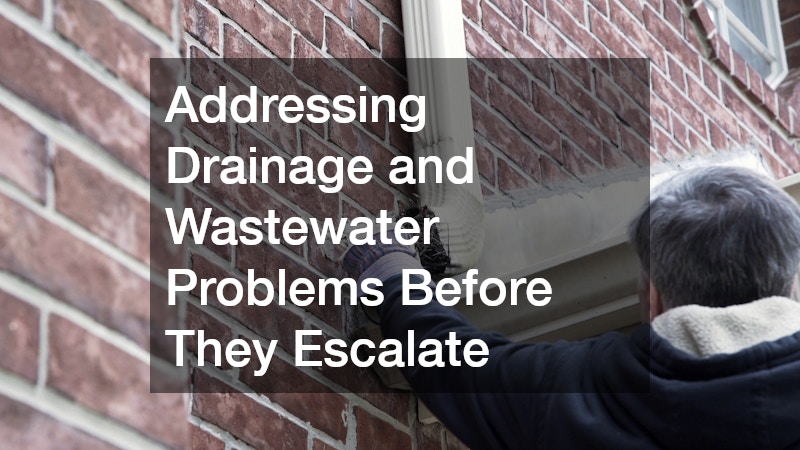
Drainage problems often build slowly. A sink drains a little slower than it used to. The washing machine causes a gurgling sound in another room. A patch of grass stays unusually wet even when it has not rained. These symptoms may not feel urgent at first, but they can point to problems underground or deep within the plumbing system.
One common mistake is treating every slow drain as a surface clog. While hair, grease, and debris can certainly cause minor blockages, repeated drain issues may suggest something more serious. If several fixtures are affected at once, the problem may involve the main line or wastewater system rather than one isolated sink or tub.
Homeowners can reduce risk by being careful about what goes down drains. Avoid pouring grease into the kitchen sink, flushing wipes, or relying too heavily on chemical drain cleaners. These habits may seem harmless in the moment but can contribute to larger blockages over time.
Watching for Early Warning Signs Around Your Property
Outdoor clues can be just as important as indoor symptoms. Soft ground, sewage odors, unusually green grass in one area, or standing water near the drain field may indicate a wastewater issue. Scheduling septic repair early can prevent backups, contamination concerns, and damage to the surrounding property.
Inside the home, pay attention to slow drains, bubbling toilets, and foul smells near fixtures. If wastewater backs up into tubs, showers, or floor drains, the situation may require emergency plumbing services rather than routine maintenance. That kind of event is stressful, messy, and potentially hazardous, which is exactly why early intervention matters.
A helpful habit is to walk the property after heavy rain. Notice where water collects, how quickly it drains, and whether any new odors appear. The more familiar you are with what is normal, the easier it becomes to recognize when something is wrong.
Protecting the Roof From Small Issues That Become Major Damage
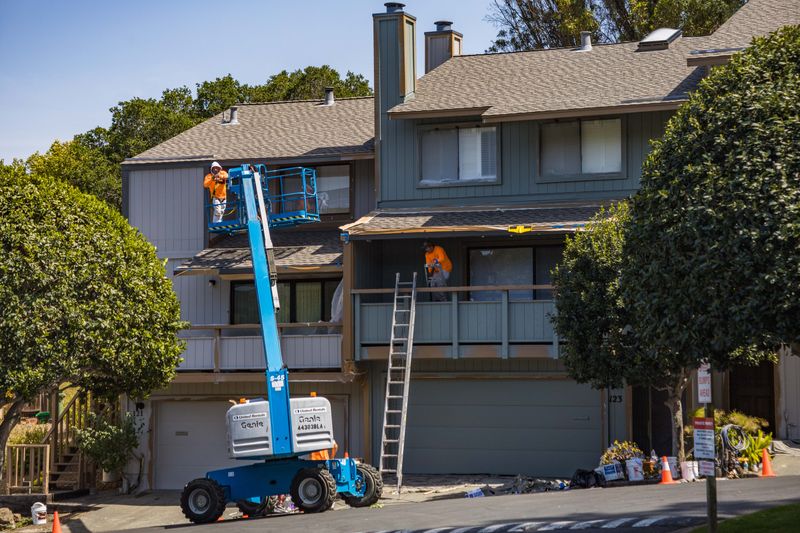
Roof problems can be deceptive. From the ground, everything may look fine, while damaged flashing, missing shingles, clogged valleys, or small punctures allow water to enter slowly. By the time a ceiling stain appears indoors, moisture may have already affected insulation, framing, or drywall.
Regular roof maintenance starts with observation. After storms, high winds, or falling branches, walk around the property and look for shingles on the ground, sagging gutters, loose trim, or debris collecting on the roof. Indoors, check attic spaces when possible for damp insulation, daylight showing through gaps, or dark staining on wood.
A roofing contractor can provide a safer and more thorough inspection, especially after severe weather or when the roof is older. Professional inspections are particularly helpful because roof damage is not always visible from the ground, and climbing onto a roof without proper equipment can be dangerous.
Looking for Damage After Storms and Severe Weather
Storm damage should be handled quickly, even when it appears minor. A small area of lifted shingles can allow repeated moisture intrusion. A damaged flashing point around a chimney or vent can create leaks that spread behind walls. Prompt roof repair helps prevent these small openings from becoming larger structural problems.
Homeowners should also keep gutters clear. When gutters clog, water can back up beneath roofing materials or spill near the foundation. That can create multiple problems at once, including roof leaks, basement moisture, and soil erosion.
A simple storm-response routine can help:
- Check ceilings and upper walls for stains.
- Look for missing shingles or loose materials outside.
- Clear visible debris from safe ground-level areas.
- Schedule a professional inspection if anything looks changed.
The key is speed. You do not have to know exactly what is wrong before calling for help. You only need to notice when something has changed.
Maintaining Safe Access Points Around the Home
Doors, locks, and entry points are easy to overlook because they are used so often. When they work, no one thinks about them. When they fail, the problem can become urgent quickly, especially if someone is locked out, a key breaks, or a door will not secure properly.
Routine access-point maintenance is simple. Pay attention to locks that stick, handles that feel loose, doors that scrape the frame, and deadbolts that no longer slide smoothly. These issues may be caused by humidity, settling, worn hardware, or misalignment. Left alone, they can make a door harder to secure or more likely to fail at an inconvenient time.
A realistic example is the front door that needs a “special trick” to lock. Maybe you have to lift the handle, pull the door inward, or jiggle the key. That may feel manageable until the mechanism fails when you are leaving for work or returning home late at night.
Improving Security Through Preventive Maintenance
Lubricating locks with the right product, tightening loose screws, and adjusting strike plates can often improve performance. However, if a lock is grinding, the key is bending, or the deadbolt no longer lines up, it is better to address the issue early.
An emergency locksmith may be necessary when access fails suddenly, but many lock-related emergencies can be avoided by replacing worn hardware before it breaks. This is especially important for exterior doors, garage entries, and doors used by children, older adults, or anyone who may have difficulty forcing a faulty lock.
Security maintenance should also include outdoor lighting, door frames, window locks, and garage access points. A safe home depends not only on strong locks but also on entry points that function reliably every day.
Keeping Outdoor Surfaces Safe and Functional
Exterior surfaces affect safety, drainage, and the long-term condition of the property. Cracked walkways, uneven driveways, and poorly sloped paved areas can create trip hazards and direct water where it should not go. These issues are easy to dismiss as cosmetic, but they can contribute to injuries, foundation moisture, and erosion.
Walk your driveway, sidewalks, patios, and entry paths a few times a year. Look for cracks that are widening, areas that hold water, loose edges, or surfaces that have shifted. Pay close attention to places where water flows during storms. If runoff moves toward the house instead of away from it, the surface may be creating more risk than it appears.
Paving contractors can evaluate whether damaged surfaces need sealing, patching, leveling, or replacement. Getting advice early may prevent a small crack from expanding through freeze-thaw cycles or heavy use.
Inspecting Walkways, Driveways, and Drainage Areas
Outdoor maintenance is not only about the paved surface itself. It also includes the surrounding drainage. Soil, mulch, leaves, and debris can redirect water onto paths or against the home. Over time, this can undermine surfaces or cause slippery areas near entrances.
Homeowners should clear debris from drainage paths, fill minor gaps when appropriate, and monitor areas that become slick or uneven. In colder climates, small cracks can worsen quickly when water freezes and expands. In warmer regions, heat and heavy rain can create their own wear patterns.
The practical goal is to keep outdoor areas predictable. People should be able to walk safely to the door, water should move away from the home, and vehicles should not worsen existing damage every time they use the driveway.
Building a Long-Term Home Maintenance Strategy

Maintenance becomes easier when it is treated as an ongoing system rather than a series of random chores. A homeowner who waits for something to break will always feel behind. A homeowner who tracks inspections, service dates, and small changes can make better decisions with less pressure.
Start by creating a yearly maintenance calendar. It does not need to be perfect. Divide tasks by season and include reminders for major systems, exterior inspections, filter changes, and professional service appointments. Keep receipts, photos, warranties, and notes in one folder, either digitally or on paper.
It also helps to separate tasks into three categories:
- Things you can safely do yourself, such as changing filters, checking for leaks, and clearing minor debris
- Things that require a trained professional, such as electrical concerns, major plumbing problems, roof inspections, and mechanical repairs
- Things to monitor over time, such as small cracks, aging equipment, drainage changes, and recurring odors
Budgeting is part of the strategy, too. Setting aside money for maintenance may not feel exciting, but it can reduce the shock of unexpected repairs. Even a modest yearly maintenance fund gives homeowners more flexibility when a professional inspection reveals something that should be handled soon.
The best plans also leave room for judgment. Not every squeak is a crisis, and not every repair can be predicted. But when you know your home well, you can tell the difference between a minor annoyance and a warning sign that deserves attention.
Making Prevention Part of Everyday Homeownership
Regular maintenance is not about adding more stress to homeownership. It is about reducing the number of surprises. A few minutes of observation, a seasonal checklist, and timely professional help can prevent many small problems from turning into expensive emergencies.
Every home will need repairs eventually. Materials age, weather happens, and systems wear down. But with consistent care, many emergencies become preventable maintenance tasks instead of urgent disruptions. The sooner homeowners build those habits, the easier it becomes to keep the house running safely and smoothly year after year.