Getting Ahead of the Summer Heat
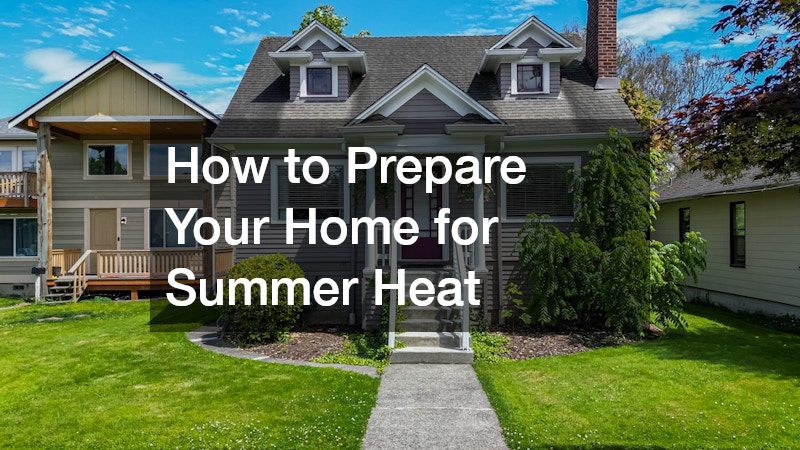
Summer heat can put every part of a home under pressure. Cooling equipment runs longer, electrical systems handle heavier demand, and small maintenance issues can quickly turn into uncomfortable and expensive problems. Preparing early gives homeowners time to inspect key systems before the hottest days arrive.
A comfortable summer starts with prevention. When filters are changed, airflow is checked, outdoor equipment is cleared, and electrical concerns are addressed, the home is more likely to stay cool and efficient. Early preparation also helps homeowners avoid rushed decisions during a heat wave, when repair appointments may be harder to schedule.
The goal is not to make every home perfect before summer begins. The goal is to reduce avoidable strain, improve comfort, and catch warning signs before they lead to system failure. A careful seasonal plan can help protect both the home and the people living in it.
Inspect Your Cooling System Before Temperatures Climb

The cooling system should be one of the first areas homeowners check before summer heat settles in. After sitting unused or lightly used for months, the system may have dirty filters, worn parts, blocked airflow, or performance issues that are not obvious until temperatures rise. Waiting until the first major heat wave to test the system can leave a household uncomfortable and scrambling for help.
Start by turning the system on before it is truly needed. Let it run long enough to see whether cool air reaches every room. Pay attention to weak airflow, short cycling, warm air from vents, uneven temperatures, unusual sounds, or musty smells. These signs may point to clogged filters, refrigerant problems, blower issues, thermostat trouble, duct leaks, or aging components.
Scheduling ac service before peak demand is a smart step. A seasonal inspection can include checking refrigerant levels, testing electrical connections, cleaning coils, inspecting drain lines, reviewing thermostat function, and confirming that the unit operates safely. This kind of visit helps identify issues while there is still time to correct them.
Homeowners should also know when ac repairs may be needed. Strange grinding, rattling, or buzzing sounds should not be ignored. Water around the indoor unit, ice on refrigerant lines, higher utility bills, and rooms that never seem to cool properly can all signal problems. Small repairs are often easier to manage when they are handled early.
Simple homeowner maintenance also matters. Replace or clean filters according to the system’s needs, keep return vents clear, and make sure furniture or rugs are not blocking airflow. A clean, unrestricted system does not have to work as hard, which can improve comfort and reduce strain during long summer days.
Decide Whether It Is Time for a New Cooling System
Sometimes preparation reveals a bigger question: should the current system be repaired again, or is it time to replace it? This decision can feel stressful, especially when the system still works but no longer performs well. However, making the choice before a complete breakdown can give homeowners more control over timing, budget, and equipment options.
Age is one factor to consider. Older cooling systems may lose efficiency, need more frequent repairs, or struggle to keep up during extreme heat. If the unit needs major work and has already required repeated service, replacement may offer better long-term value than continuing to pay for temporary fixes.
Comfort is another important sign. If some rooms stay hot no matter how low the thermostat is set, the system may be improperly sized, poorly balanced, or reaching the end of its useful life. High humidity indoors, long run times, and rising energy costs can also point to declining performance.
Professional ac installation should involve more than simply swapping one unit for another. Proper sizing is essential. A system that is too small may run constantly and never cool the home well. A system that is too large may cycle on and off too quickly, creating uneven temperatures and humidity problems. Load calculations, ductwork condition, insulation, windows, and square footage should all be considered.
Residential cooling services can also help homeowners compare options based on comfort goals and energy use. Some homes may benefit from a traditional central system, while others may need zoning, ductless equipment, or improvements to ductwork. The right choice depends on the home’s layout, existing equipment, and long-term needs.
Homeowners should also ask about warranties, installation timelines, thermostat compatibility, and maintenance requirements. A new system is a major investment, so it should be chosen carefully. Planning ahead helps avoid making a rushed decision after the old unit fails on the hottest day of the year.
Improve Energy Efficiency Throughout Your Home
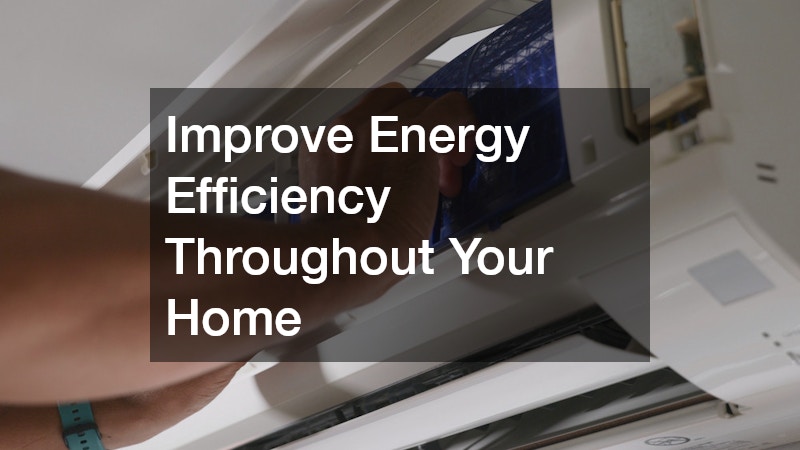
Cooling equipment plays a major role in summer comfort, but the rest of the home matters too. If cool air escapes easily or heat enters through gaps, poor insulation, or blocked vents, the system has to work harder. Improving efficiency can reduce strain, lower energy use, and make indoor temperatures more consistent.
Start with air filters. Dirty filters restrict airflow and force equipment to work harder. During summer, filters may need to be changed more often, especially in homes with pets, allergies, dust, or heavy system use. Clean filters help protect indoor air quality and keep air moving properly.
Vents and registers should also be checked. Make sure they are open, clean, and not blocked by furniture, curtains, or rugs. Closing too many vents can create pressure problems and reduce system efficiency. Good airflow allows the home to cool more evenly.
Professional HVAC services can help identify deeper efficiency problems, such as duct leaks, poor insulation, or equipment that is not operating as designed. Leaky ducts can waste cooled air before it ever reaches living spaces. In hot attics or crawl spaces, this can make a noticeable difference in comfort and energy use.
Sealing air leaks is another practical step. Gaps around doors, windows, attic access panels, plumbing openings, and electrical penetrations can let hot air inside. Weatherstripping, caulk, and insulation upgrades can help reduce heat gain. These improvements may seem small, but together they can make the home easier to cool.
The overall HVAC system should be viewed as part of the whole house, not as a standalone machine. Thermostat settings, insulation, shade, airflow, humidity, and ductwork all affect performance. A programmable or smart thermostat can help by reducing unnecessary cooling when no one is home and maintaining comfortable temperatures when people return.
Ceiling fans can also help rooms feel cooler, but they should be used correctly. Fans cool people, not rooms, so they should be turned off when spaces are empty. Used together with an efficient cooling strategy, fans can improve comfort without placing extra demand on the system.
Upgrade Electrical Components for Increased Summer Demand
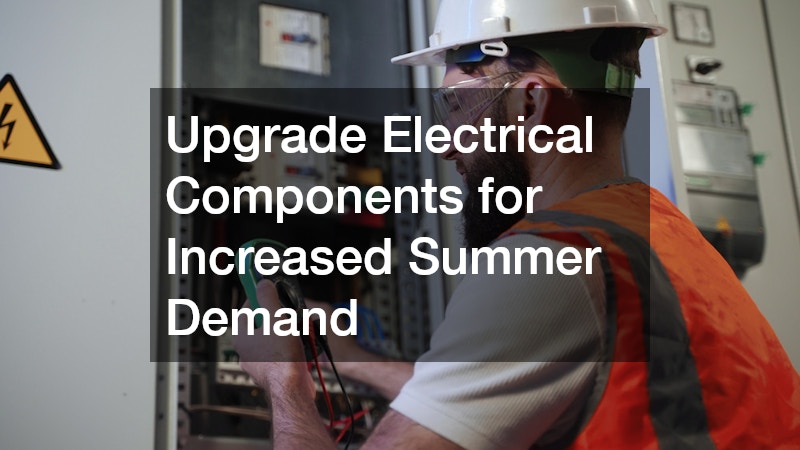
Summer often increases electrical use throughout the home. Cooling equipment runs for longer periods, refrigerators work harder, fans operate more often, and families may use more electronics while spending time indoors. If the home’s electrical system is outdated or overloaded, this extra demand can reveal safety concerns.
Warning signs should be taken seriously. Frequent breaker trips, flickering lights, buzzing outlets, warm switch plates, burning smells, or extension cords used as permanent solutions may indicate that the electrical system needs attention. These issues can become more serious when cooling equipment is running heavily.
A licensed electrician can evaluate whether circuits, wiring, outlets, and panels are equipped to handle summer demand. This is especially important in older homes, homes with recent renovations, or properties that have added major appliances, hot tubs, electric vehicle chargers, or upgraded cooling equipment.
Electrical panel upgrades may be needed when the existing panel no longer supports the home’s needs. An undersized or outdated panel can limit safe power distribution and may create problems when high-demand equipment runs at the same time. Upgrading the panel can improve safety and support current or future electrical loads.
Homeowners planning a new cooling system should also consider electrical capacity before installation. Some equipment may require dedicated circuits or panel improvements. Addressing this early can prevent delays and help ensure the system operates properly once installed.
Surge protection is also worth considering before summer storms. Lightning, outages, and grid fluctuations can damage appliances, electronics, and HVAC equipment. Whole-home surge protection may help reduce risk, especially in areas with frequent storms.
Safety should always come first. Electrical work is not a do-it-yourself project for most homeowners. When signs of overload or outdated wiring appear, professional evaluation is the safest path.
Keep Outdoor Equipment Operating Efficiently
Outdoor cooling equipment needs space and airflow to work properly. During spring and early summer, leaves, grass clippings, weeds, dirt, and debris can gather around the unit. If airflow is restricted, the system may run longer, cool less effectively, and experience more strain.
Homeowners should inspect the area around the outdoor unit before summer begins. Clear leaves, sticks, and loose debris from the surrounding area. Trim grass and plants so the unit has enough clearance on all sides. Avoid stacking items, garden supplies, or outdoor furniture near the equipment.
The unit should sit level and stable. If the ground has shifted or the pad has settled, the equipment may not drain or operate properly. A professional can determine whether leveling is needed.
Cleaning the outdoor coil is also important, but it must be done carefully. A dirty coil makes it harder for the system to release heat. Some homeowners can gently rinse the exterior with a hose after turning power off, but heavy buildup, bent fins, or internal cleaning should be handled by a trained professional.
An HVAC contractor can inspect the outdoor unit as part of seasonal maintenance. This may include checking coil condition, refrigerant lines, electrical components, fan operation, and overall performance. The technician can also spot early problems that may not be obvious from the outside.
Choosing a reliable HVAC company for seasonal inspections can help homeowners stay ahead of problems. Regular visits create a service history, making it easier to track recurring issues or decide when replacement may be more practical than repair.
Homeowners should also protect the unit from unnecessary stress. Keep gutters from draining directly onto equipment, make sure pets do not damage wiring or fins, and avoid using decorative covers during operation. Outdoor equipment is built to withstand weather, but it still needs room, cleanliness, and proper care.
Build Simple Maintenance Habits That Prevent Costly Breakdowns
Summer preparation is easier when maintenance becomes routine. Homeowners do not need to wait for something to go wrong before paying attention to comfort systems. A simple checklist can help keep important tasks from being forgotten.
Begin with monthly filter checks during cooling season. Even if the filter does not need replacement every month, looking at it regularly helps homeowners understand how quickly dust builds up. A clogged filter is one of the easiest problems to prevent.
Set reminders for seasonal ac service before summer and again before the next heating season, if applicable. Keeping a predictable schedule helps ensure that inspections happen before equipment is under maximum stress. It also makes it easier to budget for maintenance instead of reacting to emergencies.
HVAC services can be more effective when homeowners communicate clearly. Instead of saying the system “does not feel right,” describe what changed, when it started, and where the problem occurs. Details about specific rooms, thermostat settings, noises, or recent power outages can help narrow down the cause.
Small habits can prevent large headaches. Clear vents, check filters, monitor performance, keep outdoor equipment clean, and schedule service before extreme temperatures arrive. Consistency is often the difference between a smooth summer and a costly midseason breakdown.
Prepare for Extreme Heat and Unexpected System Failures
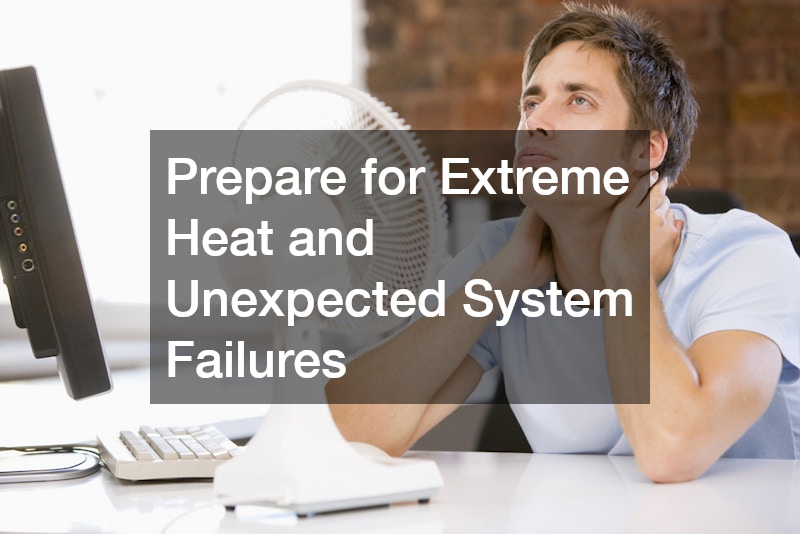
Even with careful preparation, extreme heat can still create problems. Power outages, severe storms, equipment failure, and high outdoor temperatures can make a home uncomfortable or unsafe. A backup plan is especially important for households with young children, seniors, pets, or people with medical needs.
Start by identifying cool areas in the home. Lower levels, shaded rooms, and spaces with good airflow may stay more comfortable during an outage or system failure. Keep curtains or blinds closed during the hottest part of the day to reduce heat gain. Use fans when power is available, and avoid running heat-producing appliances during peak heat.
Residential cooling services may offer emergency help, but homeowners should keep contact information easy to find before a problem happens. During heat waves, service calls can increase quickly, so knowing whom to call saves time. It also helps to understand whether the current system is under warranty and where service records are stored.
Electrical storms and outages can also affect the home. A trusted electrician can advise on surge protection, generator connections, dedicated circuits, and safe backup power options. Portable generators should never be used indoors, in garages, or near windows because of carbon monoxide risks. They also need proper connection methods to avoid dangerous backfeeding.
Emergency supplies should include flashlights, batteries, bottled water, portable chargers, and a plan for staying cool if power is out for an extended period. Homeowners should know the location of community cooling centers, especially during dangerous heat alerts.
Extreme heat preparation is not about fear. It is about having practical steps ready so the household can respond calmly. When homeowners combine maintenance with an emergency plan, they are better prepared for both ordinary summer heat and unexpected failures.
Staying Cool Starts Before the Heat Arrives
Preparing a home for summer heat is about more than lowering the thermostat. It requires attention to cooling equipment, airflow, insulation, outdoor units, electrical safety, and emergency planning. Each step helps reduce strain on the home and supports better comfort when temperatures rise.
Early action gives homeowners the best chance to avoid costly surprises. A seasonal inspection, clean filters, clear outdoor equipment, organized records, and a safe electrical system can make a noticeable difference during long stretches of hot weather.
Summer comfort depends on preparation. By handling small issues before they grow, homeowners can protect their systems, improve efficiency, and keep their homes safer and more comfortable through the hottest part of the year.