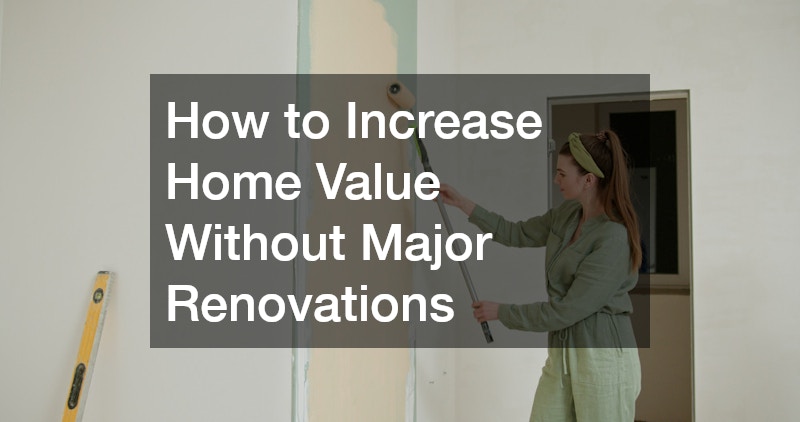
Increasing your home’s value doesn’t always mean tearing down walls or investing tens of thousands of dollars into major remodels. In many cases, the most effective improvements are subtle, strategic, and focused on how your home looks, feels, and functions on a daily basis.
Think about it from a buyer’s perspective. When someone walks into a home, they’re not just evaluating square footage or layout—they’re reacting to how well the property has been maintained, how comfortable it feels, and how much work they believe they’ll need to do after moving in. That perception alone can significantly impact value.
This guide walks through practical, budget-conscious ways to improve your home’s appeal and functionality without large-scale construction. The goal is simple: make your home feel cleaner, safer, more efficient, and more inviting—because those are the qualities that buyers and appraisers notice most.
Start With a Full Home Condition Assessment
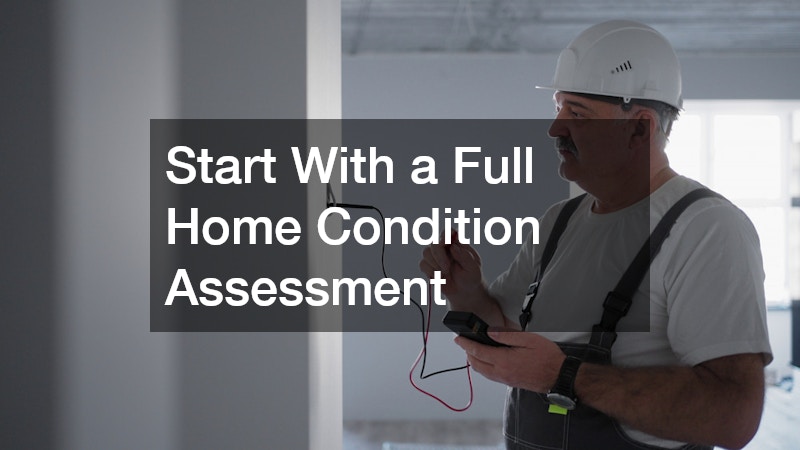
Before you make any improvements, it’s important to understand where your home stands today. A thorough assessment gives you a clear starting point and helps you prioritize what actually matters.
Walk through your home slowly, room by room, and then step outside to evaluate the exterior. Look for both obvious issues—like chipped paint or cracked pavement—and less visible concerns such as musty smells or uneven airflow.
Some areas to pay close attention to include:
- Signs of water damage or moisture buildup
- Unusual odors that might suggest hidden issues
- Drafts around windows or doors
- Cracks in walls, ceilings, or walkways
- Evidence of pests, such as droppings or damaged materials
In many cases, homeowners overlook issues that could affect their homeowners insurance coverage or claims down the line. For example, unresolved leaks or structural concerns may not only lower your home’s value but also complicate future policy adjustments.
If you notice any signs of infestation—even minor ones—it’s worth addressing them early. Bringing in a pest control professional at this stage can prevent small problems from becoming major red flags during a future inspection.
This initial assessment isn’t about fixing everything at once. It’s about creating a prioritized roadmap so your efforts—and your budget—are spent where they’ll have the greatest impact.
Boost Curb Appeal With Simple Exterior Fixes
First impressions matter more than most homeowners realize. The exterior of your home sets the tone before anyone even steps inside, and small improvements here can dramatically increase perceived value.
Start with the basics: clean surfaces, tidy landscaping, and a well-maintained entryway. Even something as simple as power washing your driveway and siding can make your home look years newer.
If your property includes fencing, take a close look at its condition. Repairing or upgrading sections with an aluminum fence can instantly elevate the look while also improving durability and safety.
Driveways and walkways are another area where subtle improvements go a long way. Cracks, uneven surfaces, or fading can give the impression of neglect. Working with a paving contractor to repair or resurface these areas can create a smoother, more polished appearance without the cost of a full replacement.
Consider how someone experiences your home from the street:
- Is the front door inviting?
- Are pathways easy to navigate?
- Does the property feel cared for?
These visual cues shape a buyer’s expectations before they ever step inside—and they’re often easier (and cheaper) to improve than you might think.
Refresh Walls and Surfaces for Instant Impact
Few upgrades offer as much return for as little investment as refreshing your interior surfaces. Walls, floors, and finishes make up the majority of what people see when they walk through a home, so even small improvements can have an outsized effect.
A fresh coat of paint can completely transform a space. Neutral tones tend to appeal to the widest audience, creating a clean and modern backdrop that allows buyers to imagine their own style in the home. While many homeowners take on painting themselves, there are situations where hiring a painting contractor ensures a smoother, more professional result—especially for larger areas or high ceilings.
Beyond paint, pay attention to surfaces that show wear over time. Kitchens and bathrooms, in particular, benefit from small upgrades like repairing chipped tiles or replacing damaged sections. Targeted tile replacements can refresh the look of a space without the cost of a full renovation.
These changes may seem minor individually, but together they create a sense of care and quality that buyers immediately notice.
Improve Energy Efficiency Without Major Upgrades
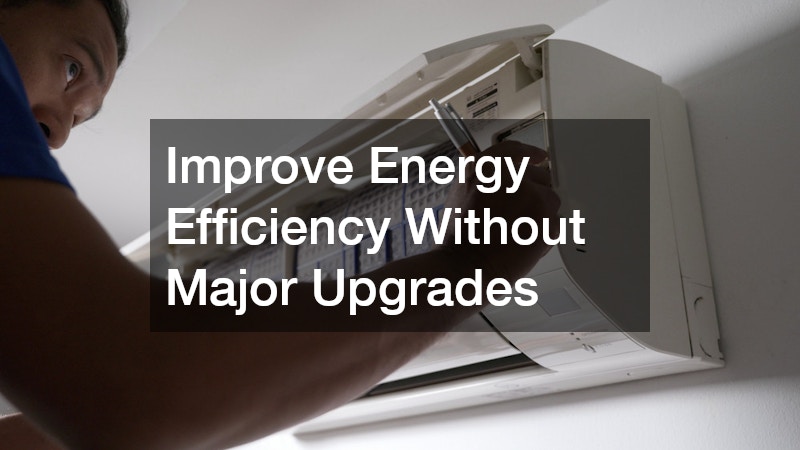
Energy efficiency is one of those factors that quietly influences value. Buyers may not always ask about it directly, but they certainly appreciate lower utility costs and a more comfortable living environment.
You don’t need to install new systems to make a difference. Start with maintenance and optimization. For example, scheduling regular AC repair services ensures your cooling system runs efficiently, especially in warmer climates where performance matters year-round.
Airflow is another critical piece of the puzzle. Over time, dust and debris can build up in your ventilation system, reducing efficiency and affecting indoor air quality. Investing in air duct cleaning can improve both comfort and system performance without requiring major upgrades.
Other simple improvements include:
- Sealing gaps around windows and doors
- Adding weather stripping
- Using programmable thermostats
- Cleaning or replacing filters regularly
These small steps not only reduce energy costs but also signal to buyers that the home has been well-maintained.
Another often-overlooked way to improve efficiency is by paying attention to how your home “feels” throughout the day. Walk from room to room and notice temperature differences, drafts, or areas that seem harder to keep comfortable. These subtle inconsistencies can signal inefficiencies that are relatively easy to fix.
For example, adding heavier curtains or thermal blinds can help regulate indoor temperatures without touching your HVAC system. Door sweeps and simple insulation solutions can also prevent air leakage, especially in older homes. These upgrades are inexpensive but can noticeably improve comfort.
It’s also worth thinking about how your home performs seasonally. A space that feels too hot in summer or too cold in winter may not raise immediate concerns for a homeowner, but buyers will notice. Addressing these inconsistencies ahead of time makes your home feel more balanced and livable.
If you want to go one step further, consider tracking your energy usage for a month or two. This gives you a clearer picture of where inefficiencies may exist and allows you to make targeted improvements rather than guessing. Even small reductions in energy consumption can become strong selling points when framed correctly.
Ultimately, efficiency isn’t just about saving money—it’s about creating a home that feels consistently comfortable. And that level of comfort often translates directly into perceived value.
Upgrade Lighting and Electrical Features
Lighting has a powerful effect on how a space feels. A well-lit home appears larger, cleaner, and more inviting, while poor lighting can make even updated spaces feel dull or outdated.
Start by replacing old fixtures with modern designs that complement your home’s style. Then think about layering your lighting:
- Ambient lighting for general illumination
- Task lighting for specific areas like kitchens or desks
- Accent lighting to highlight features or create warmth
If your home still has outdated wiring or insufficient outlets, it may be worth consulting electricians to make targeted improvements. Adding dimmer switches, updating panels, or installing additional outlets can improve both safety and convenience.
These upgrades are relatively small in scope but can significantly enhance how functional and modern your home feels.
Create Functional Outdoor Living Spaces
Outdoor spaces have become increasingly important, especially for buyers who value flexibility and lifestyle. The good news is that you don’t need a full backyard overhaul to make an impact.
Focus on creating defined, usable areas. A simple deck or patio can serve as an extension of your living space, especially when paired with seating and lighting. If your existing deck needs attention, a local deck builder can help with repairs or modest upgrades that improve both safety and appearance.
Think about how someone might use the space:
- A place to relax in the evening
- An area for entertaining guests
- A quiet corner for reading or working
Even small additions—like outdoor rugs, planters, or string lights—can make the space feel intentional and inviting.
Eliminate Hidden Problems That Lower Value
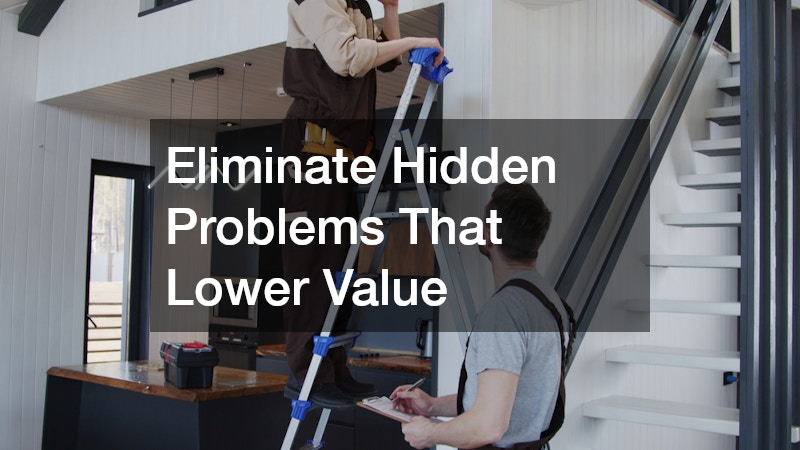
Some of the most significant value killers are the ones you can’t immediately see. Hidden issues tend to surface during inspections, and when they do, they can quickly derail a sale or lead to costly negotiations.
Common problem areas include moisture buildup, mold, and lingering odors. These issues often develop gradually, making them easy to overlook until they become more serious.
Regular maintenance plays a key role here. Addressing potential infestations early with pest control services helps prevent structural damage and protects your home’s overall condition.
The goal isn’t perfection—it’s prevention. By staying ahead of these issues, you reduce the risk of surprises later and maintain a stronger negotiating position when it’s time to sell.
Keep Documentation and Maintenance Records Updated
A well-maintained home tells a story, and documentation helps you tell it clearly. Keeping records of repairs, servicing, and upgrades shows buyers that the property has been cared for over time.
This can include:
- Receipts for maintenance work
- Service records for major systems
- Warranty information for appliances or upgrades
In some cases, these records can even support adjustments to your homeowners insurance, especially if you’ve made improvements that reduce risk.
When buyers see organized documentation, it builds confidence. They’re not just buying a home—they’re buying peace of mind.
Focus on Small Kitchen and Bathroom Improvements
Kitchens and bathrooms carry a lot of weight when it comes to perceived value, but that doesn’t mean you need a full remodel to make them stand out.
Instead, focus on targeted updates that refresh the space:
- Replace cabinet hardware for a modern look
- Update faucets or fixtures
- Re-caulk and re-grout where needed
- Repair or replace damaged surfaces
If tiles are cracked or outdated, selective tile replacements can make a big difference without requiring a full overhaul.
These changes help the space feel clean and updated, which is often all buyers are looking for in these high-impact areas.
Maintain Structural and Surface Integrity Outdoors
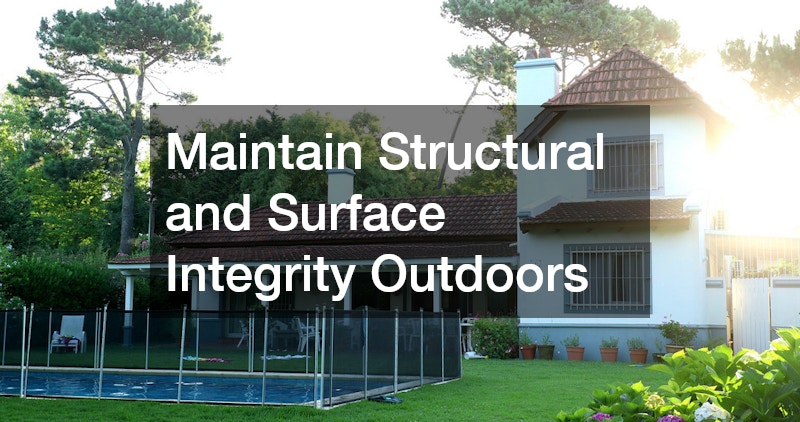
Outdoor surfaces are easy to overlook, but they play an important role in both safety and appearance. Cracks in driveways, uneven walkways, or poor drainage can create negative impressions and even raise concerns during inspections.
Addressing these issues doesn’t have to be expensive. Working with a paving contractor to repair specific problem areas can restore both function and visual appeal.
Pay attention to how water flows around your property as well. Proper drainage helps prevent long-term damage and protects your foundation—something buyers are always mindful of.
Improve Air Quality and Home Comfort
Comfort is one of those intangible qualities that can make or break a buyer’s experience. A home that feels fresh, well-ventilated, and comfortable naturally leaves a stronger impression.
Improving air quality doesn’t require major upgrades. Regular maintenance, such as air duct cleaning, can reduce allergens and improve airflow throughout the home.
Other simple steps include:
- Using high-quality air filters
- Keeping humidity levels balanced
- Ensuring proper ventilation in kitchens and bathrooms
These changes may not be immediately visible, but they contribute to an overall sense of well-being that buyers will notice.
Know When to Bring in Skilled Professionals
While many improvements can be handled independently, there are times when professional expertise makes all the difference.
For example, a skilled painting contractor can deliver a finish that’s difficult to achieve on your own, especially in larger or more detailed spaces. Similarly, experienced electricians can safely handle upgrades that improve both functionality and compliance with modern standards.
The key is knowing where to draw the line. Investing in professional help for certain projects can actually save money in the long run by avoiding mistakes and ensuring quality results.
A Practical Path to Higher Home Value
Increasing your home’s value doesn’t require dramatic changes—it requires thoughtful ones. By focusing on condition, comfort, and presentation, you can create a home that feels well cared for and move-in ready.
Small improvements add up. A cleaner exterior, fresher interior, efficient systems, and documented maintenance all contribute to a stronger overall impression. And in many cases, that impression is what ultimately drives value.
Instead of chasing large, expensive projects, focus on consistency and attention to detail. Over time, those efforts will not only improve your home’s value but also make it a better place to live.