Managing a home involves far more than reacting to repairs when something breaks. Homeowners today are responsible for maintaining safety systems, coordinating routine and unexpected repairs, integrating accessibility features, and preparing for eventual transitions such as moving. When these responsibilities are handled separately, they often compete for time and attention, creating unnecessary stress and inefficiency. A coordinated planning approach allows homeowners to stay ahead of issues rather than constantly responding to emergencies.
Home safety, repair needs, and logistics are deeply interconnected. For example, accessibility upgrades may require structural changes, safety features may affect daily routines, and moving plans often depend on the condition and readiness of the home. Treating these elements as part of one planning strategy allows homeowners to make smarter decisions and avoid redundant work. Coordination also reduces disruptions to daily life and helps maintain long-term property value.
This guide focuses on practical, realistic strategies homeowners can use to manage safety features, essential repairs, and moving logistics together. Each section addresses a key area of home planning and explains how proactive organization can simplify responsibilities, reduce stress, and support a safer, more functional living environment over time.
Planning Accessibility and Vertical Mobility Proactively
Accessibility planning is often overlooked until it becomes urgent, but proactive preparation makes a significant difference in both safety and comfort. Homes with multiple levels can present challenges for aging residents or individuals with mobility limitations. When these concerns are anticipated early, homeowners have more flexibility to plan solutions without rushing decisions. Accessibility upgrades are most effective when integrated into long-term home planning rather than treated as emergency fixes.
Scheduling residential elevator repairs as part of routine home maintenance helps ensure vertical mobility systems remain reliable and safe. Proactive servicing reduces the likelihood of sudden malfunctions that could disrupt daily routines or create safety risks. When these systems are maintained consistently, homeowners gain peace of mind knowing that accessibility features are dependable. Coordinating this maintenance with other home projects minimizes inconvenience and prevents overlapping disruptions.
Long-term accessibility planning also supports adaptability. As household needs evolve, homes that are prepared for mobility changes require fewer major modifications later. By considering accessibility early, homeowners create safer environments that support independence and comfort across all stages of life.
Strengthening Entry Security and Access Control

Home security is one of the most important components of a well-managed household, yet it is often addressed only after a problem occurs. Entry points such as doors, locks, and access systems play a direct role in protecting both people and property. When security planning is reactive, homeowners may rush decisions or overlook long-term needs. A proactive approach allows families to assess vulnerabilities calmly and implement solutions that align with daily routines.
Working with locksmiths as part of a broader safety plan helps homeowners maintain secure, reliable access throughout the property. Routine evaluations of locks, keys, and entry systems reduce the risk of lockouts, unauthorized access, or mechanical failures. When security updates are scheduled alongside other maintenance tasks, disruptions are minimized and systems remain consistent across the home. This coordination ensures safety upgrades do not conflict with ongoing repairs or renovations.
Long-term security planning also improves convenience. Organized access systems reduce confusion for household members and visitors alike. When security is integrated into a larger home management strategy, it becomes easier to adapt to changing household needs without compromising protection.
Managing Exterior Protection and Structural Integrity
The exterior of a home serves as its first line of defense against weather, debris, and environmental stress. When exterior issues are ignored or delayed, minor concerns can escalate into major structural problems. Homeowners benefit from addressing exterior protection as part of a coordinated maintenance strategy rather than reacting to visible damage. Planning ahead allows repairs to be completed under controlled conditions.
Scheduling roofing repairs proactively helps protect the home from leaks, insulation damage, and interior deterioration. When inspections and maintenance are planned regularly, homeowners can address vulnerabilities before storms or seasonal changes cause further harm. Coordinating roof work with other exterior projects reduces repeat disruptions and supports long-term durability.
A well-maintained exterior also supports safety and property value. By treating structural protection as an ongoing priority, homeowners reduce emergency repairs and maintain consistent living conditions. This approach strengthens overall home resilience and supports smarter long-term planning.
Maintaining Essential Home Systems Without Disruption
Home systems operate quietly in the background of daily life, and their importance often becomes clear only when something stops working. Appliances support basic routines such as cooking, cleaning, and food storage, making them critical to household stability. When homeowners wait until a system fails completely, the resulting disruption can affect schedules, safety, and comfort. Proactive planning helps reduce the likelihood of sudden breakdowns and allows homeowners to manage maintenance on their own terms.
Scheduling appliance repair as part of a coordinated home maintenance plan allows families to address small performance issues before they escalate. Regular check-ins on major appliances help identify early warning signs, such as unusual noises or reduced efficiency. When these tasks are planned alongside other maintenance activities, homeowners avoid repeated service interruptions and minimize inconvenience. This approach supports smoother daily routines and more predictable household operations.
Long-term system planning also improves decision-making. Homeowners who understand the condition and lifespan of their appliances can prioritize maintenance intelligently rather than reacting under pressure. This foresight reduces stress and helps maintain consistent functionality across the home. Coordinated system care ultimately supports a safer, more reliable living environment.
Planning Property Boundaries and Outdoor Projects Carefully
Outdoor projects often involve more complexity than homeowners initially expect. Property boundaries, elevation changes, and existing structures can influence what is possible and how projects should proceed. Without proper planning, misunderstandings or miscalculations can delay projects and create unnecessary complications. Careful preparation ensures outdoor improvements move forward smoothly.
Incorporating land surveying into early project planning helps homeowners understand their property accurately before work begins. Clear boundary information supports informed decisions about fencing, additions, or landscaping changes. When surveys are completed in advance, homeowners reduce the risk of disputes or project revisions. Coordinating this step with broader planning prevents delays and keeps projects aligned with legal and spatial requirements.
Thoughtful outdoor planning also supports long-term property value. When projects are based on accurate data, results are more durable and compliant. Homeowners who plan carefully experience fewer surprises and greater confidence throughout the project process. This approach promotes efficiency and protects investment over time.
Improving Emergency Exits and Interior Safety Planning
Home safety planning often focuses on visible threats, but interior emergency preparedness is just as important. Clear exit routes, reliable hardware, and thoughtful door placement all influence how safely occupants can move during urgent situations. When these elements are overlooked, even familiar spaces can become hazardous under pressure. Proactive planning ensures emergency pathways remain functional and intuitive.
Installing and maintaining a panic door supports safe, efficient exit during emergencies. When this feature is incorporated into broader safety planning, it aligns with household routines rather than disrupting them. Coordinating inspections and upkeep alongside other safety tasks reduces the risk of malfunction when quick action is needed. This approach ensures that safety features function properly without becoming daily inconveniences.
Long-term safety planning also encourages awareness among household members. When families understand how safety systems operate, response times improve and confusion decreases. Thoughtful preparation supports confidence and reduces panic during critical moments, reinforcing overall household security.
Enhancing Durability and Cleanliness in Garage Spaces

Garages serve multiple purposes beyond vehicle storage, often acting as workshops, storage zones, or transition spaces. Over time, wear and exposure can degrade surfaces, making these areas harder to maintain. Planning improvements proactively helps homeowners preserve functionality and appearance. A well-maintained garage supports safer movement and better organization.
Applying a garage floor coating as part of a broader home improvement plan improves durability and cleanliness. When this upgrade is scheduled alongside other projects, disruptions are minimized and results are more cohesive. Durable surfaces resist stains, moisture, and wear, making routine cleaning easier. Coordinated planning ensures improvements enhance daily use rather than creating temporary inconvenience.
Long-term garage planning also supports adaptability. As household needs change, garages often evolve in purpose. Durable upgrades allow spaces to remain flexible and functional over time. Thoughtful improvements protect investment and contribute to overall household efficiency.
Integrating Smart Lighting Into Everyday Home Safety
Smart home technology has become an increasingly important part of household safety and convenience. Lighting, in particular, plays a critical role in visibility, navigation, and security throughout the home. Poorly planned lighting can create hazards, especially during nighttime movement or power interruptions. Thoughtful integration ensures technology supports safety rather than complicating daily routines.
Incorporating google home lights into a coordinated home management plan allows homeowners to automate and control lighting strategically. When lighting schedules align with daily habits, families benefit from improved visibility in key areas such as hallways, stairwells, and entry points. Planning automation alongside other safety features prevents overlap or confusion in system controls. This approach enhances functionality while maintaining simplicity.
Long-term planning also improves adaptability. As household needs change, smart lighting systems can be adjusted without major renovations. Thoughtful integration supports energy efficiency, safety, and convenience, creating a more responsive living environment.
Preparing Bedrooms for Specialized Comfort and Support
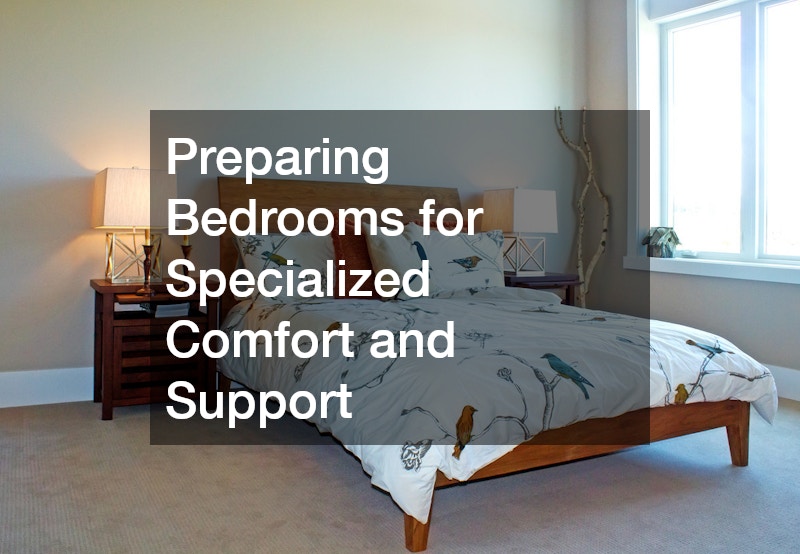
Bedrooms serve as essential recovery and rest spaces, particularly for individuals with mobility or medical needs. When these needs change, standard furnishings may no longer provide adequate support. Planning ahead helps families adapt living spaces without disrupting comfort or safety. Thoughtful preparation ensures bedrooms remain functional and supportive.
Incorporating special needs beds into long-term home planning allows families to address comfort and accessibility proactively. When this decision is made thoughtfully, it aligns with room layout, movement pathways, and caregiving routines. Coordinating bedroom modifications with other home projects reduces repeated disruptions. This approach supports consistent rest and improved quality of life.
Long-term bedroom planning also reduces emotional strain. When spaces are prepared in advance, transitions feel less overwhelming. Families benefit from environments designed to support care needs while preserving dignity and comfort.
Coordinating Relocation Logistics Without Disrupting Daily Life
Relocating is one of the most complex events a household can experience, especially when combined with ongoing repairs, safety upgrades, or accessibility considerations. Without careful planning, moves can interfere with work schedules, schooling, and health routines, creating unnecessary strain. Homeowners benefit from viewing relocation as a structured project rather than a one-time event. Early preparation allows families to align timelines and reduce disruption.
Working with a moving service as part of a coordinated home management plan helps streamline transitions. When logistics are mapped out in advance, families can schedule packing, transportation, and settling-in phases around existing commitments. Coordinating relocation alongside repairs or upgrades prevents duplicated effort and avoids moving unfinished or problematic features into a new space. This approach ensures moves feel deliberate rather than chaotic.
Thoughtful relocation planning also supports emotional well-being. Clear timelines and defined responsibilities reduce uncertainty and help family members adjust more easily. When moves are integrated into broader planning efforts, households maintain stability and continuity even during significant change.
Managing a home effectively requires more than addressing individual tasks as they arise. Safety systems, repairs, accessibility upgrades, smart technology, and relocation logistics all intersect in ways that affect daily life. When homeowners coordinate these elements within a single planning framework, they reduce stress and improve long-term outcomes. A proactive approach transforms home management from reactive problem-solving into intentional stewardship.
By planning ahead, homeowners gain control over timelines, priorities, and decision-making. Coordinated efforts prevent overlapping disruptions and support smoother daily routines. This structure also allows families to adapt to changing needs without sacrificing comfort or safety. Thoughtful planning supports both immediate functionality and future readiness.
Ultimately, smart home management is about balance and foresight. When safety, repairs, and logistics are aligned, homeowners create living environments that are resilient, adaptable, and supportive. A coordinated approach empowers households to move forward confidently, knowing their homes are prepared for both everyday living and major transitions.